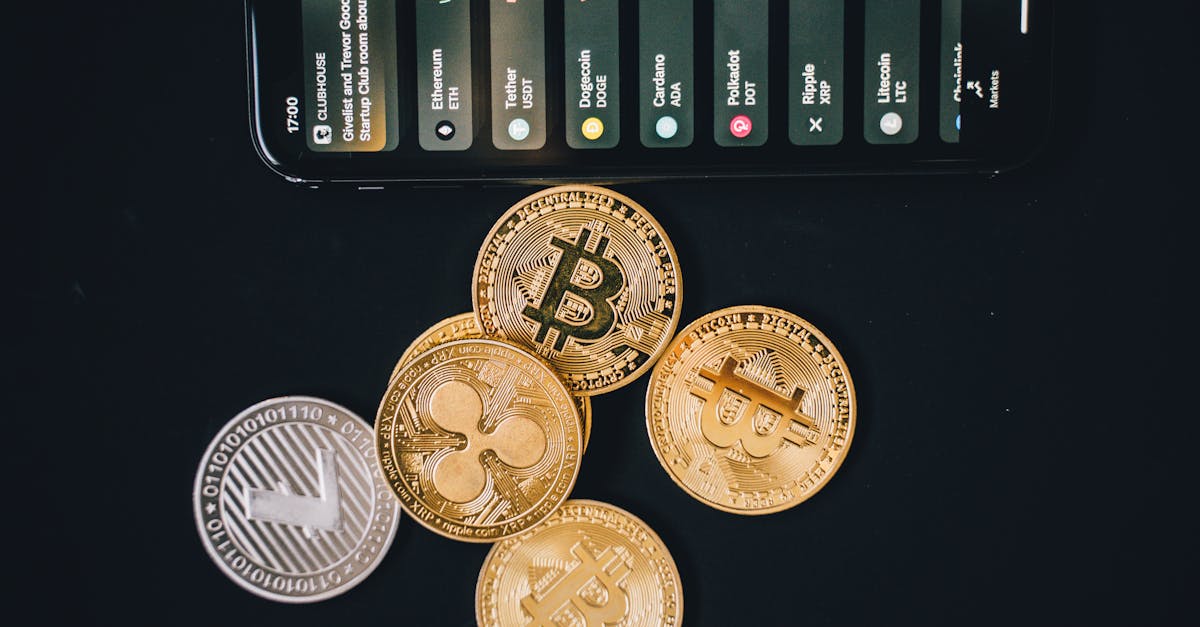
Bitcoin Security: Essential Tips for Users in 2026
As cryptocurrencies continue to rise in popularity, understanding their underlying security is crucial for users, especially regarding bitcoin security. The decentralized nature of cryptocurrencies offers various advantages but also introduces unique challenges. Without proper security measures, digital assets can be vulnerable to theft and fraud.
This section will explore the significance of safeguarding these assets by emphasizing key aspects such as:
- The rapid growth and adoption of cryptocurrencies.
- The critical need for robust security practices in managing digital currencies.
What is Bitcoin Security?
Bitcoin security refers to the measures and practices employed to protect Bitcoin assets from theft, loss, or unauthorized access. This concept encompasses both the technical and behavioral aspects of safeguarding cryptocurrencies. Understanding Bitcoin security is crucial for users as it helps prevent financial losses and enhances trust in digital transactions.
Key Components of Securing Bitcoin
- Private Keys: These are essential for accessing your bitcoins; keeping them secure is paramount.
- Wallet Types: Different wallets (hardware, software, paper) offer varying levels of security based on user needs.
- MFA (Multi-Factor Authentication): Adding layers of verification can significantly enhance account protection.
By prioritizing these components, users can effectively mitigate risks associated with their digital assets.
Advantages and Risks of Bitcoin Security
Understanding the advantages and risks of Bitcoin security is crucial for users navigating this digital landscape. On one hand, securing your Bitcoin can provide substantial benefits, such as protecting your assets from theft or loss. Additionally, strong security measures enhance user confidence in transactions.
However, there are also potential risks and vulnerabilities to consider:
- Phishing attacks: Malicious attempts to steal credentials can lead to significant losses.
- Lack of regulation: The decentralized nature might expose users to fraud without legal recourse.
This balance between safety and risk is essential for informed decision-making in the cryptocurrency space.
How to Start with Bitcoin Security
Starting your journey with Bitcoin security is crucial for protecting your investments. First and foremost, choose a secure wallet that suits your needs—options include hardware wallets for offline storage or reputable software wallets for ease of access. Make sure to research their security features thoroughly.
Additionally, understanding private keys is vital; they are the gateway to your funds. Never share them and consider using multi-signature options for added protection. By following these best practices, new users can significantly enhance their bitcoin security from the outset.
Practical Tips for Beginners
In this part, we will provide practical tips for beginners to enhance their Bitcoin security. As you embark on your cryptocurrency journey, it’s crucial to adopt measures that protect your assets. Start by enabling two-factor authentication (2FA) on your accounts; this adds an extra layer of protection against unauthorized access. Additionally, regularly updating your software ensures you have the latest security features and patches.
- Always use strong, unique passwords for each account.
- Avoid public Wi-Fi when accessing your wallet or making transactions.
By implementing these strategies, you can significantly bolster your bitcoin security and enjoy a safer experience in the crypto space.
Common Mistakes to Avoid
This section will highlight common mistakes that new Bitcoin users make regarding security and how to avoid them. Many beginners underestimate the importance of robust security practices, leading to unnecessary risks. One prevalent error is reusing passwords. Using the same password across multiple platforms can expose your Bitcoin wallet if one account is compromised.
Another critical mistake is ignoring security updates. Software developers frequently release updates to patch vulnerabilities; failing to install these can leave your assets at risk. By staying vigilant about these aspects, you can significantly enhance your bitcoin security.
Frequently Asked Questions
Here, we will address frequently asked questions about Bitcoin security, providing clear and concise answers. Understanding these common inquiries can significantly enhance your knowledge and confidence in managing your Bitcoin assets securely.
What is a Bitcoin wallet?
A Bitcoin wallet is a digital tool that allows you to store, send, and receive Bitcoins. It holds your private keys—the essential codes needed to access your cryptocurrency. Wallets come in various forms: software wallets (apps on your devices), hardware wallets (physical devices), and paper wallets (printed QR codes).
How to recover a lost wallet?
If you’ve lost access to your Bitcoin wallet, recovery largely depends on the type of wallet used. For software or hardware wallets, ensure you’ve backed up recovery phrases or keys during setup. If not, you may need professional assistance if the funds are critical.
Maintaining Bitcoin Security
Ensuring the longevity and integrity of your Bitcoin holdings requires ongoing vigilance. As technology evolves, so do the tactics employed by cybercriminals, making it essential to adapt your security measures accordingly. Regularly reviewing your security practices can help identify vulnerabilities that may have developed over time. Additionally, staying informed about new threats within the cryptocurrency landscape is crucial for safeguarding your assets.
- Conduct periodic assessments of wallets and storage solutions.
- Keep abreast of updates in cybersecurity protocols.
By implementing these strategies, you reinforce your defenses against potential breaches and enhance overall bitcoin security.
The Role of Hardware Wallets
In this section, we will discuss the role of hardware wallets in enhancing Bitcoin security. Hardware wallets are physical devices designed to securely store your private keys offline, making them less vulnerable to hacking attempts compared to software wallets.
What are hardware wallets?
Hardware wallets come equipped with built-in security features that protect against malware and unauthorized access. They require physical confirmation for transactions, adding an additional layer of safety.
Benefits of using hardware wallets
- Enhanced Security: Keeping your keys offline significantly reduces risks from cyber threats.
- User Control: You maintain full control over your funds without relying on third-party services.
- Diverse Compatibility: Many hardware wallets support multiple cryptocurrencies, not just Bitcoin.
This combination makes hardware wallets an essential tool for anyone serious about bitcoin security in 2026 and beyond.
Importance of Software Updates
Keeping your software up to date is crucial for maintaining bitcoin security. Regular updates not only patch vulnerabilities but also enhance features and improve overall performance. Cyber threats are constantly evolving, making it essential to protect your digital assets with the latest security measures.
Why Updates Matter
Updates help safeguard against exploits that could compromise your funds and personal information. By neglecting them, you expose yourself to risks from malware and hacking attempts.
How to Ensure Software is Up to Date
- Enable automatic updates whenever possible.
- Regularly check for updates manually on all devices related to Bitcoin transactions.
- Stay informed about any critical patches released by wallet providers or exchanges.
Your diligence in updating can significantly reduce the chances of falling victim to cyber attacks in the crypto space.
Using Strong Passwords
Here, we will explore the significance of using strong passwords and password managers for Bitcoin security. A robust password serves as your first line of defense against unauthorized access to your cryptocurrency accounts.
Characteristics of Strong Passwords
- At least 12 characters long
- A mix of uppercase and lowercase letters, numbers, and symbols
- Avoidance of easily guessable information like birthdays or names
Utilizing a password manager can simplify the process by generating complex passwords and securely storing them. This reduces the risk associated with weak passwords while enhancing overall bitcoin security.
Benefits of Password Managers
- Easier management of multiple accounts
- Enhanced protection through encryption techniques
- Simplified recovery processes in case you forget a password
Recognizing Phishing Attempts
In the ever-evolving landscape of Bitcoin security, recognizing phishing attempts is crucial for safeguarding your assets. Phishing scams often masquerade as legitimate communications from exchanges or wallets, tricking users into revealing sensitive information.
Common Phishing Tactics
- Email Scams: Fraudulent emails that appear to be from trusted sources requesting personal data.
- Fake Websites: Cloned websites designed to capture login credentials.
- Spear Phishing: Targeted attacks aimed at specific individuals with personalized messages.
How to Protect Against Phishing
To enhance your bitcoin security, always verify URLs before entering information and enable two-factor authentication on all accounts. Educate yourself about the latest phishing trends and stay vigilant against unsolicited requests for data.
Backing Up Your Bitcoin Wallet
In this part, we will discuss the importance of backing up Bitcoin wallets and how to do it securely. As digital assets become increasingly valuable, ensuring that your wallet is backed up can prevent potential losses due to device failures or theft.
Methods for Backing Up
- Paper Wallets: Write down your recovery phrase on paper and store it in a safe place.
- Diverse Storage Solutions: Use external drives or USB sticks for encrypted backups.
- Cloud Services: Though riskier, consider secure cloud options with encryption.
Best Practices for Secure Backups
- Avoid storing backups on devices connected to the internet.
- Create multiple copies and store them in different locations.
- Regularly update your backup as you receive new funds or make transactions.
Your diligence in backing up your Bitcoin wallet ensures better bitcoin security and peace of mind when managing your cryptocurrency investments.
Understanding Regulatory Changes
Being aware of regulatory changes is crucial for ensuring bitcoin security. As governments worldwide adapt to the growing influence of cryptocurrencies, new regulations can significantly impact how users protect their digital assets. For instance, stricter compliance requirements may necessitate enhanced security measures from exchanges and wallets.
The Impact of Regulations on Security
Changes in regulation can lead to:
- Tighter security protocols for cryptocurrency platforms.
- Increased transparency and accountability in transactions.
- Potential risks if regulations are not adhered to properly.
How to Stay Informed
To remain updated on these developments:
- Follow reputable news sources dedicated to cryptocurrency.
- Engage with community forums and discussions online.
- Subscribe to alerts from regulatory bodies relevant to your region.
Your vigilance regarding these changes will enhance your ability to safeguard your investments effectively.
Community Involvement in Security
Engaging with the community is a powerful way to enhance bitcoin security. By participating in security-focused groups, users can stay informed about the latest threats and best practices. These communities often share valuable insights and experiences that can help individuals protect their assets more effectively.
Additionally, sharing knowledge within these networks fosters a collaborative environment where everyone benefits. Here are some ways to get involved:
- Joining online forums or local meetups dedicated to cryptocurrency security.
- Participating in workshops that focus on safe storage and transaction methods.
This collective effort not only strengthens individual security but also fortifies the entire ecosystem against potential attacks.
Bitcoin Security Checklist
This section will provide a checklist for users to implement effective Bitcoin security measures. Ensuring the safety of your Bitcoin holdings is paramount in today’s digital landscape. Here are essential steps you should take:
- Use hardware wallets: Store your bitcoins offline to protect against hacks.
- Enable two-factor authentication (2FA): Add an extra layer of security on exchanges and wallets.
- Regularly review security practices: Stay updated on best practices and adjust your strategies accordingly.
- Avoid public Wi-Fi: Conduct transactions only on secure networks to prevent interception.
Implementing these measures can significantly enhance your bitcoin security, safeguarding your assets from potential threats.
Future of Bitcoin Security
In this section, we will discuss the future of Bitcoin security and emerging trends. As the cryptocurrency landscape evolves, several key factors will shape its security protocols:
- Emerging technologies: Innovations like quantum computing pose both opportunities and threats to Bitcoin’s encryption methods.
- Predicted challenges: Increased regulatory scrutiny could lead to more sophisticated attacks on exchanges and wallets.
The integration of advanced AI for threat detection may enhance user protection, while decentralized finance (DeFi) platforms must prioritize robust security measures to safeguard assets in this dynamic environment.
Resources and Tools for Bitcoin Security
This final section will provide resources and tools recommended for enhancing Bitcoin security. As the landscape of cryptocurrency continues to evolve, utilizing the right tools can significantly bolster your defense against potential threats. Here are some essential recommendations:
Recommended Wallets
- Hardware Wallets: Devices like Ledger Nano X or Trezor Model T offer offline storage, which is crucial for long-term security.
- Software Wallets: Options such as Electrum or Exodus provide user-friendly interfaces with strong encryption features.
Security Software Options
- Antivirus Programs: Solutions like Bitdefender or Norton can help protect your devices from malware targeting crypto users.
- Password Managers: LastPass or 1Password can securely store your wallet passwords and enhance overall account security.
Selecting the right combination of these resources will empower you to safeguard your Bitcoin investments effectively.